
Invisible Risks, Shared Responsibility: UPRISE Partners Meet in Thessaloniki
11–12 May 2026 | Thessaloniki, Greece
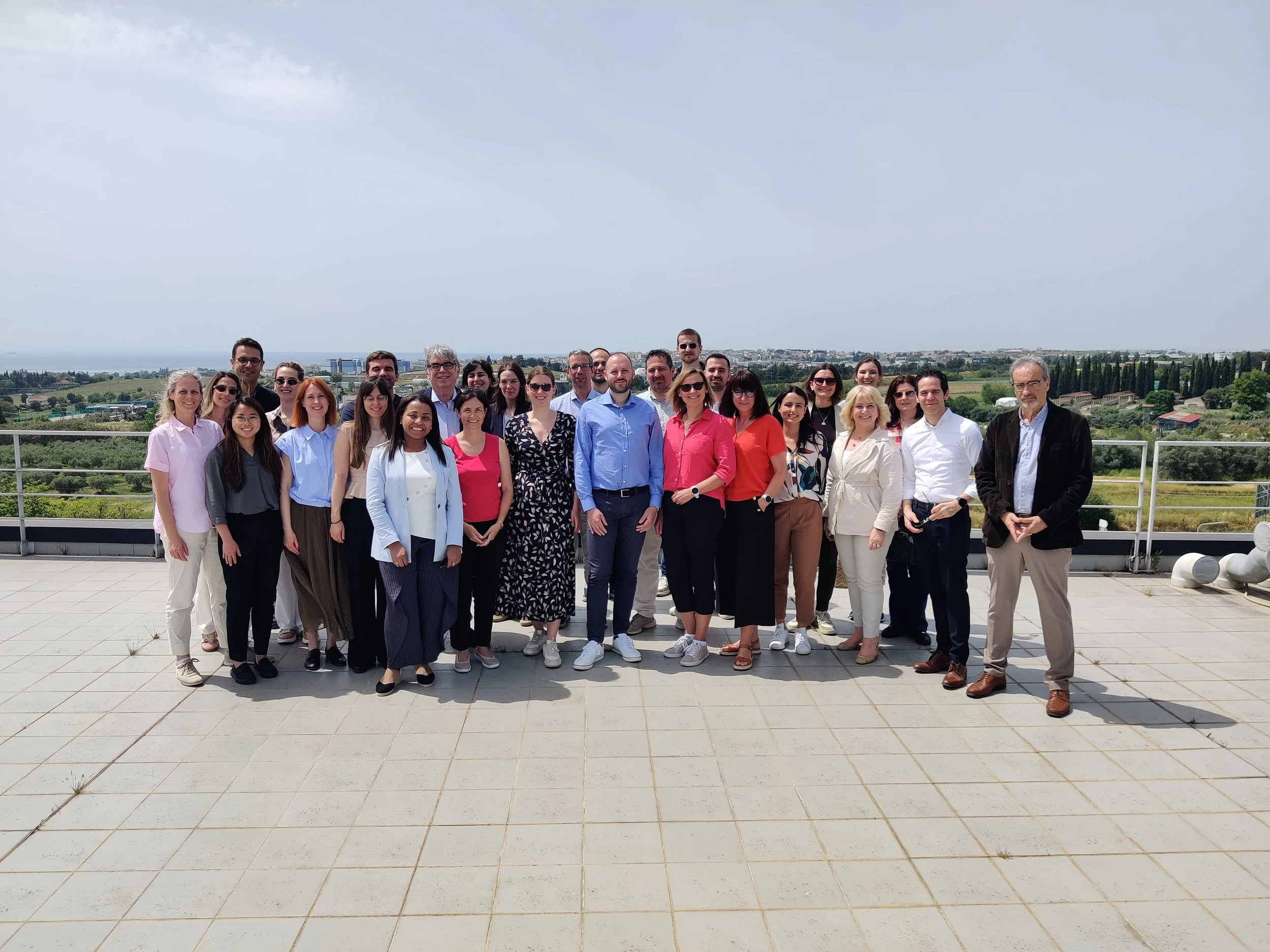
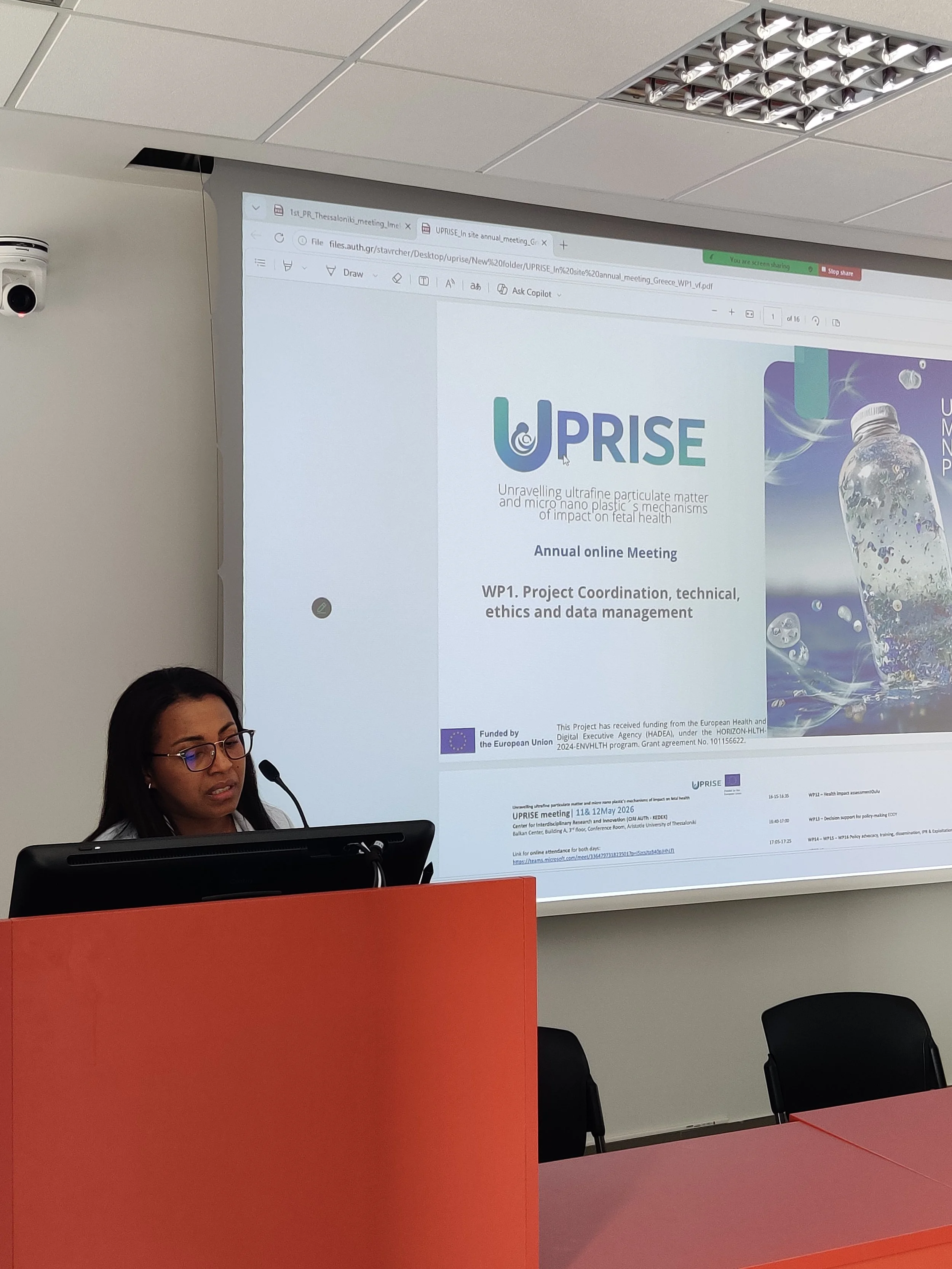
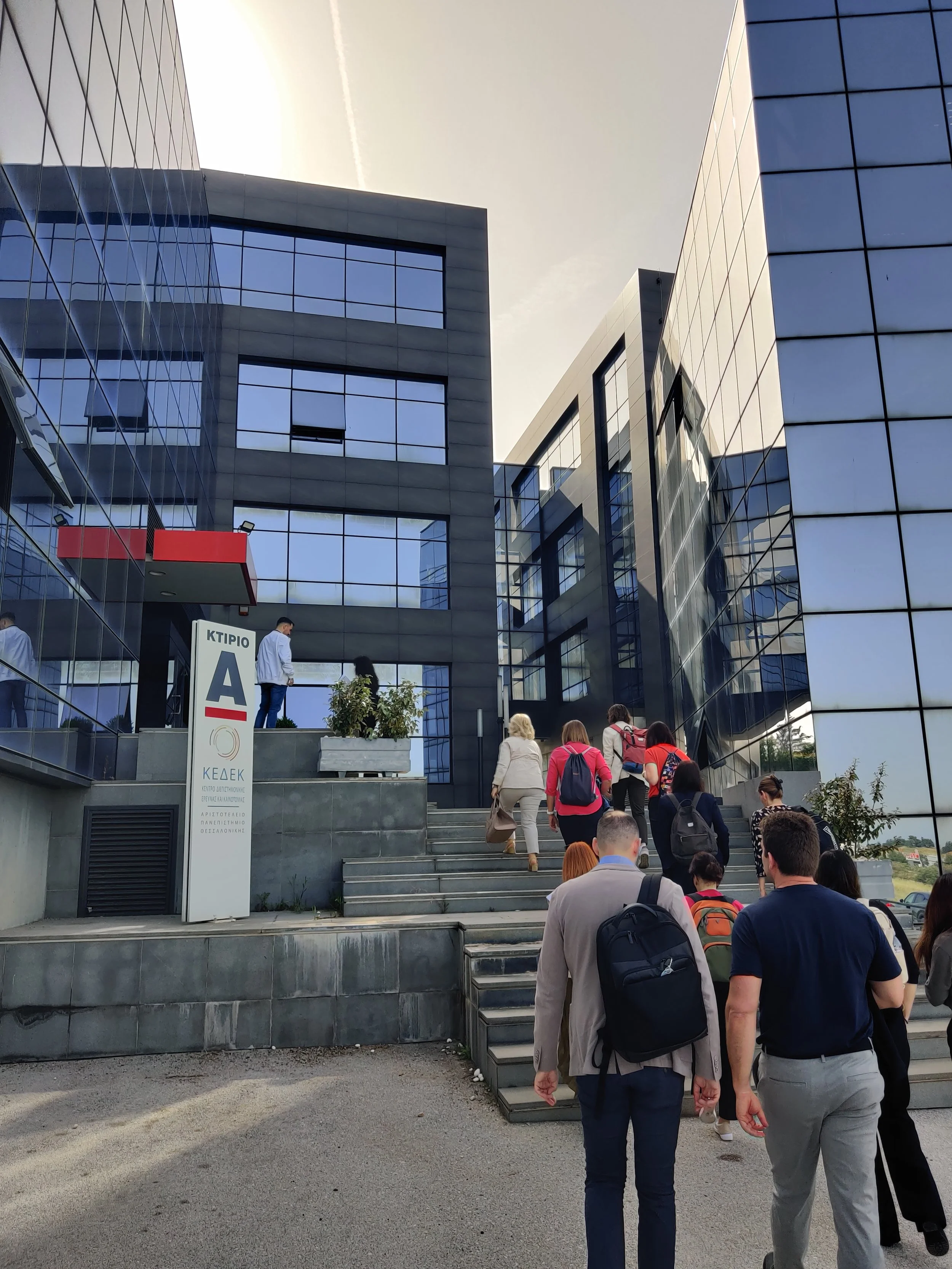
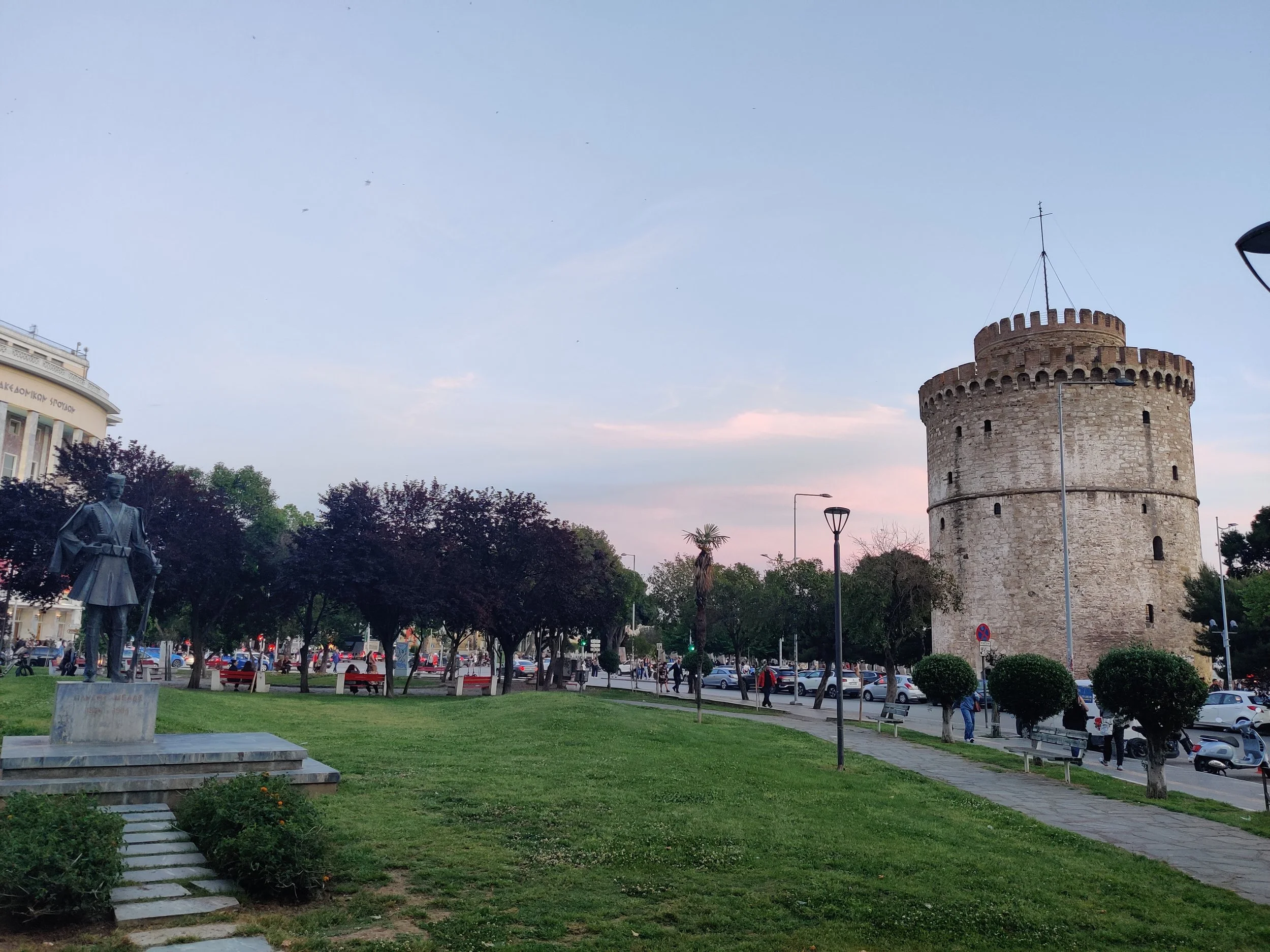
The UPRISE consortium came together in Thessaloniki, Greece, on 11–12 May 2026 for its in-person General Assembly, hosted by Aristotle University of Thessaloniki (AUTh). More than 30 participants from 11 project partners joined in person, with additional colleagues taking part online.
The two-day meeting offered an important opportunity to review progress, align on priorities, and strengthen collaboration as UPRISE reaches month 18 of the project. With partners contributing expertise from environmental science, medicine, toxicology, epidemiology, data science, communication, and public health, the General Assembly reflected the interdisciplinary spirit at the heart of UPRISE.
Moving into the next phase of UPRISE
UPRISE aims to better understand how invisible airborne pollutants, especially ultrafine particles (UFPs) and micro- and nanoplastics (MNPs), may affect pregnancy, fetal development, and early-life health.
During the meeting, partners discussed progress across the project, key deliverables, and priorities for the coming months. Important milestones are already underway: monitoring devices have been deployed in Belgium, Greece, and Spain, and recruitment of research participants has started.
These steps mark an important transition from planning and preparation toward deeper data collection, analysis, and integration. Over the next phase, partners will continue working together to connect environmental monitoring, exposure modelling, clinical research, biological studies, data management, health impact assessment, policy support, and communication activities.
Collaboration across disciplines and countries
A recurring theme throughout the meeting was the importance of coordination and harmonised methodologies. Because UPRISE brings together different types of expertise and research methods, close collaboration is essential to ensure that results can be compared, connected, and translated into meaningful evidence.
Project leaders highlighted the need to continue aligning methods, sharing knowledge, and coordinating across partner teams over the coming months. This shared approach is key to achieving the project’s objectives and supporting future recommendations for healthier environments and better protection of pregnant individuals and unborn children.
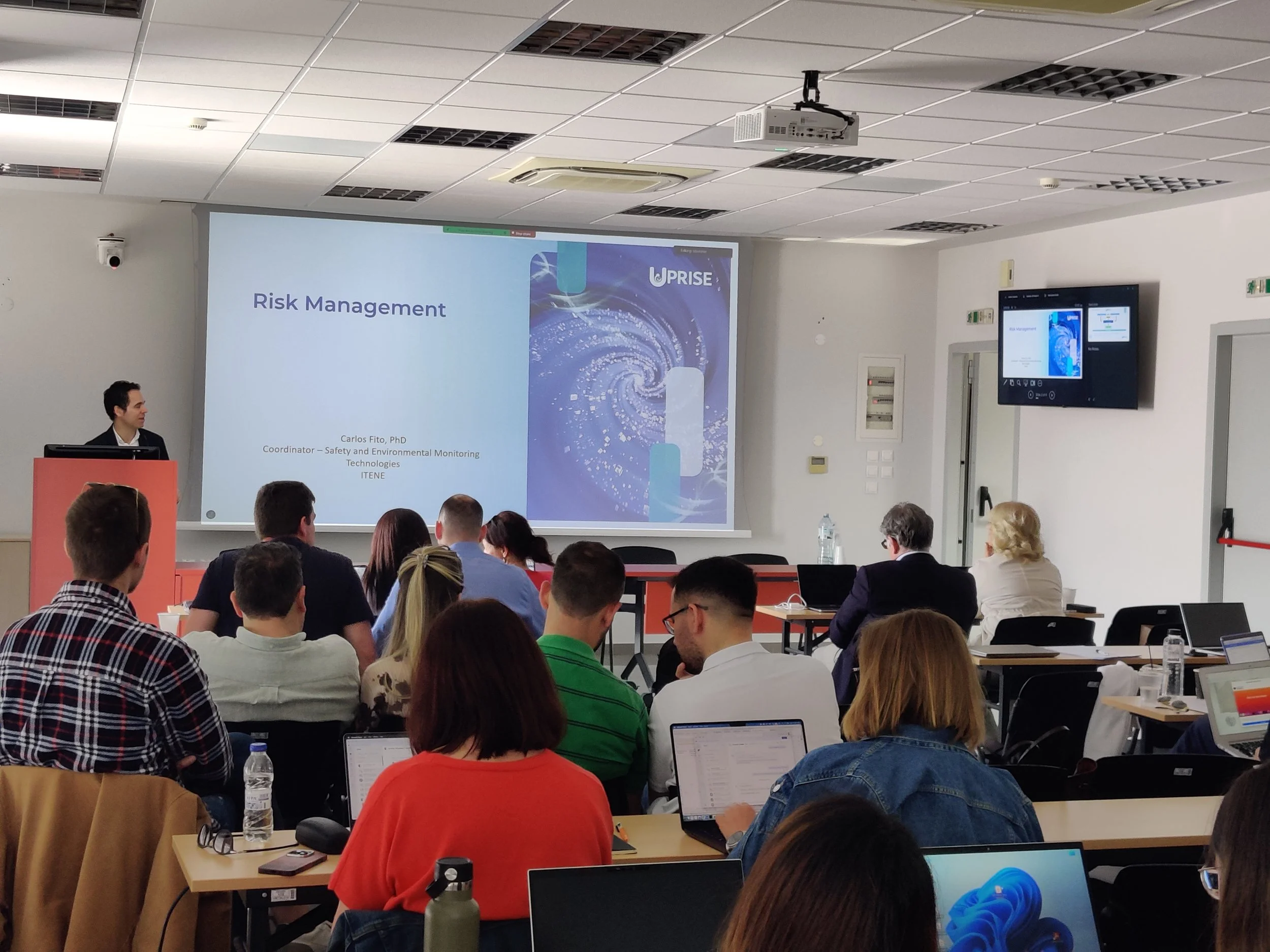
The agenda reflected the breadth of work within UPRISE, including project coordination, ethics and data management, exposure assessment, atmospheric modelling, cohort studies, personal exposure monitoring, biological mechanisms, health impact assessment, policy support, communication, dissemination, training, and exploitation activities.
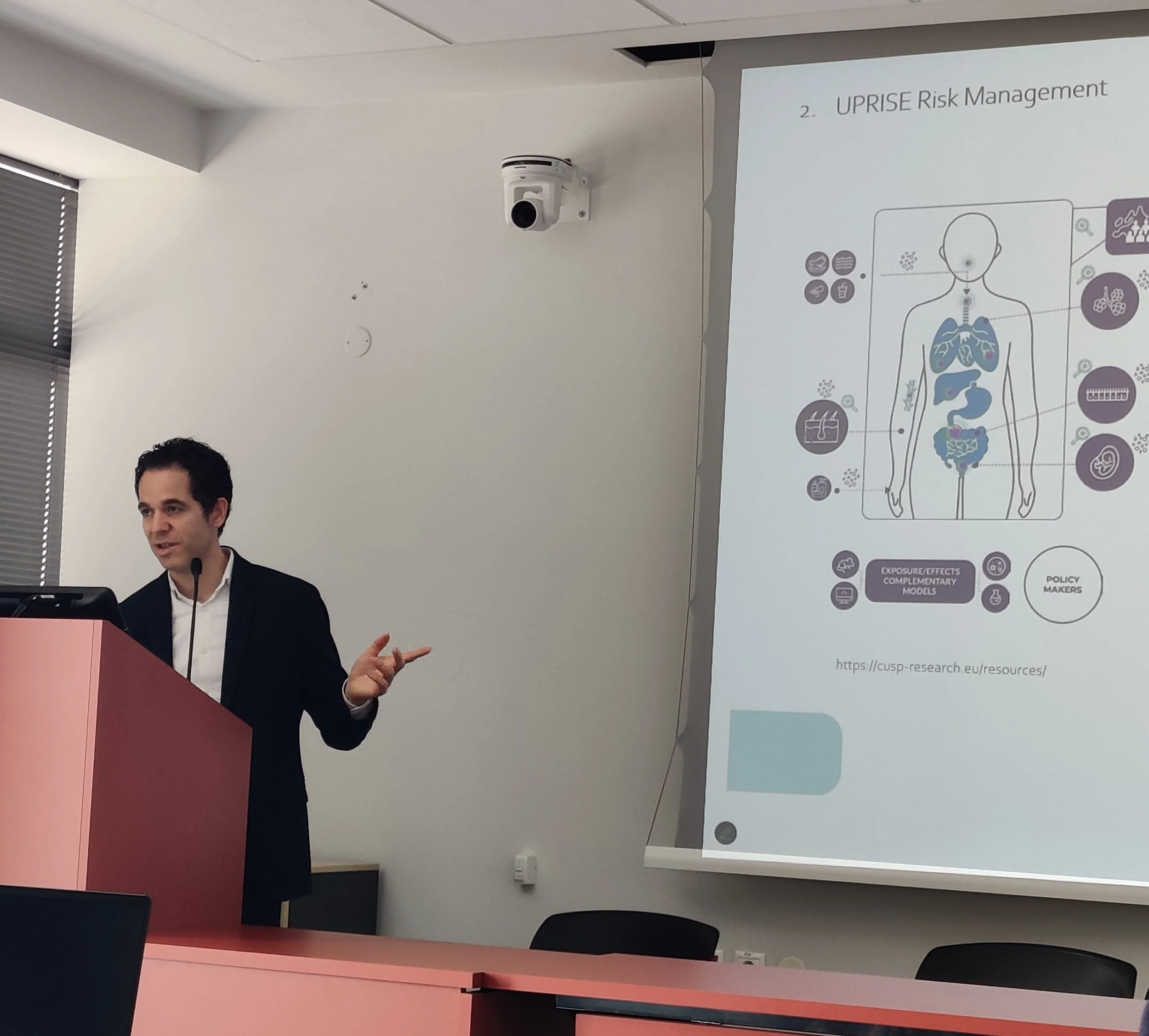
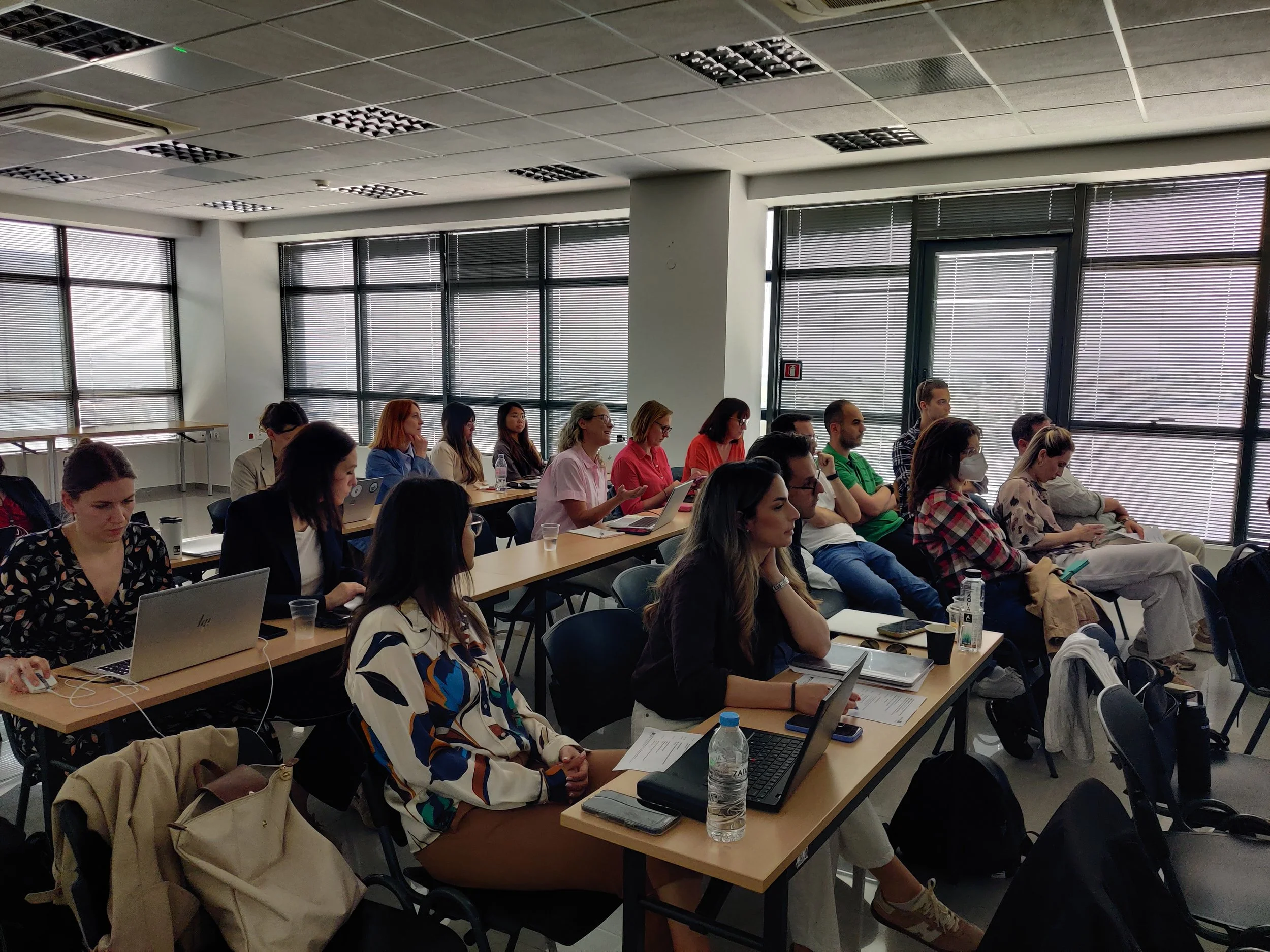
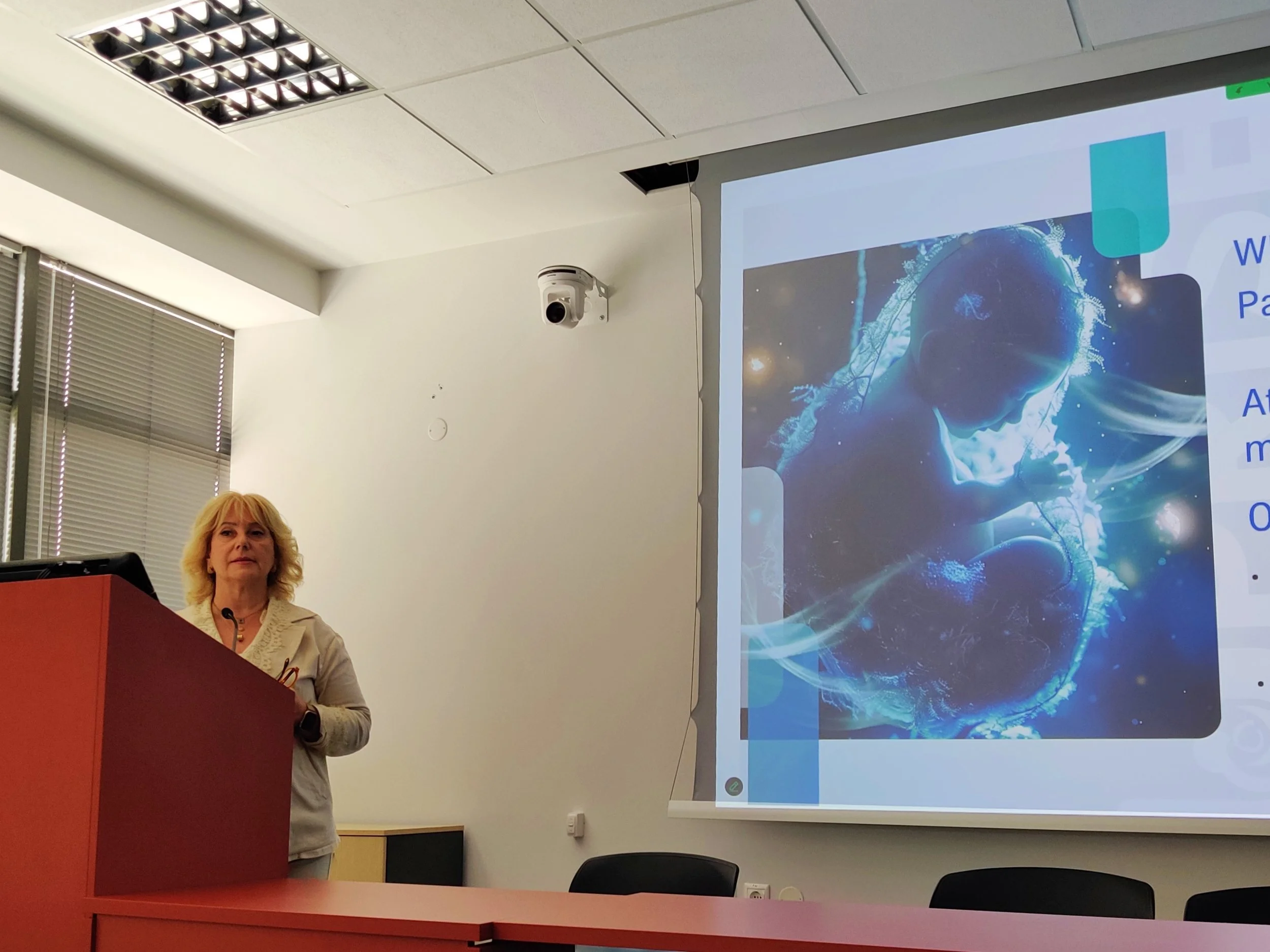

Why meeting in person matters
While online collaboration keeps the project moving throughout the year, meeting in person brings something special: conversations over coffee, spontaneous exchanges during lunch breaks, and the chance to connect faces with names often seen only in emails and video calls.
The two days in Thessaloniki gave partners space not only to present updates, but also to build stronger working relationships and exchange ideas more naturally. These moments are especially valuable in an international project like UPRISE, where partners are based across Europe and much of the day-to-day collaboration happens online.
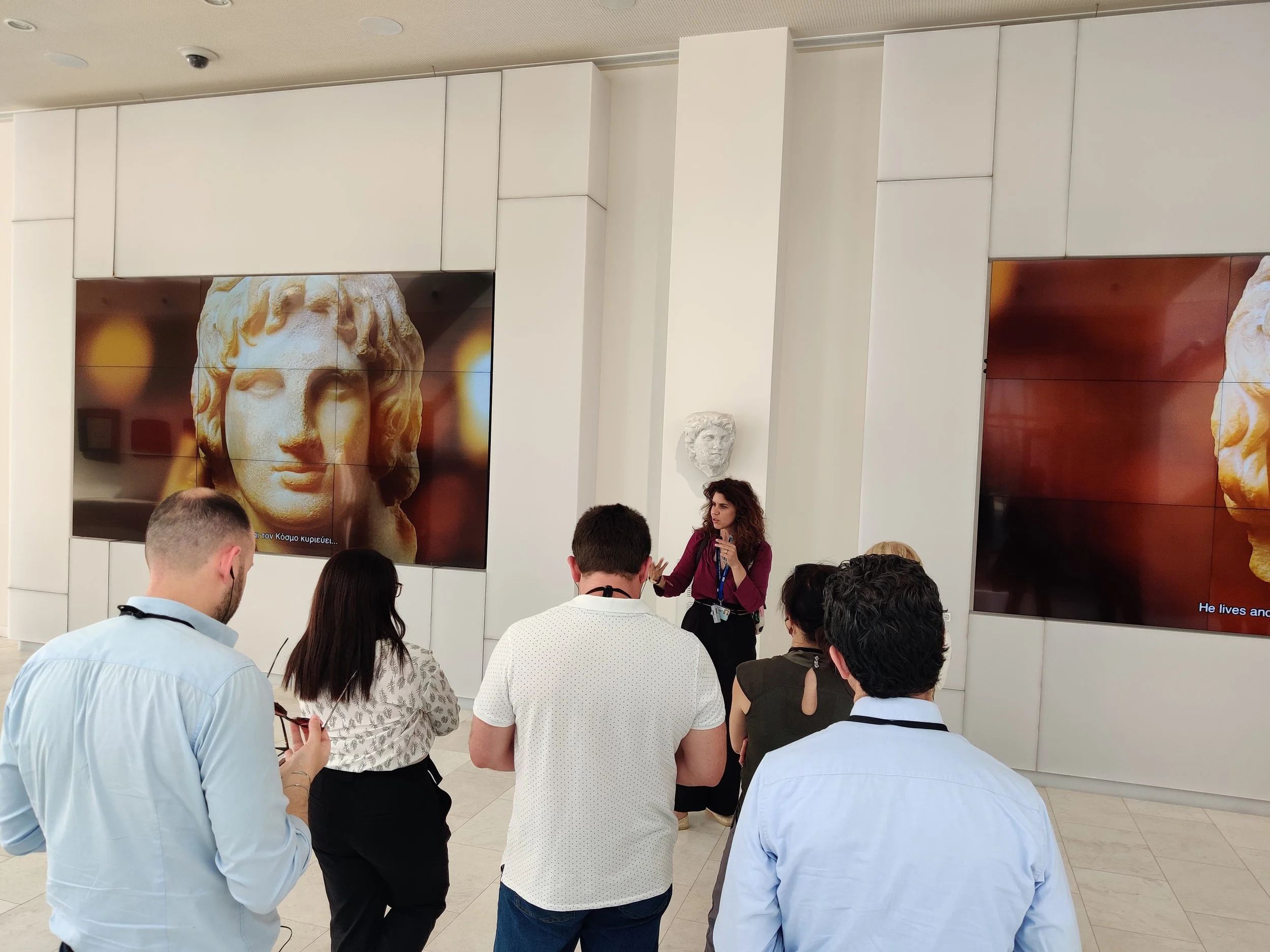
A warm thank you goes to the AUTh team for hosting the meeting and for the excellent organisation. In addition to the scientific programme, participants had the chance to continue conversations during shared dinners in Thessaloniki and take part in an excursion to the Vergina Archaeological Site, including the Museum of the Royal Tombs of Aigai and the remains of the ancient palace of Philip II of Macedon.
Looking ahead
The General Assembly was a productive and energising moment for the consortium, a chance to reflect on what has been achieved so far and to look ahead with renewed focus.
As UPRISE moves into its next phase, partners will continue to strengthen collaboration online, advance research activities, and work together toward the project’s shared mission: making invisible risks visible and helping protect the health of future generations.
We look forward to continuing this work together and to meeting in person again next year.